
Fear Is the Point
ICE enforcement, fear, and the impact on voting

The death of Renee Good during an encounter involving ICE agents has brought national attention to concerns about ICE’s conduct and use of force.
For many Americans, this moment feels like a moral inflection point, a turning point we cannot ignore.
For some, this tragedy has become a symbol of how quickly constitutional protections can feel fragile.
Citizenship Does Not Guarantee Safety
What makes this moment especially disturbing to many observers is the perception that citizenship itself is no longer a reliable shield during encounters with federal immigration enforcement.
Being an American Citizen no longer matters
Proof of citizenship means nothing to them
Renee Good was white.
She was American.
And yet, those facts did not prevent a fatal outcome.
Civil rights advocates have long warned that aggressive enforcement tactics risk violating due process and constitutional protections, not only for undocumented individuals, but for citizens as well.
What they have intentionally created is fear.
In the days surrounding this incident, community organizations and local leaders have reported widespread fear in neighborhoods affected by ICE operations.
It is this fear that has turned communities into ghost towns while crushing local economies.
Fear of going about our daily lives
Fear of going to the supermarket
Fear of enjoying a meal at a restaurant
Fear of going to work
Fear of going to school
They are forcing communities to retreat inward, while trust in public institutions erodes.
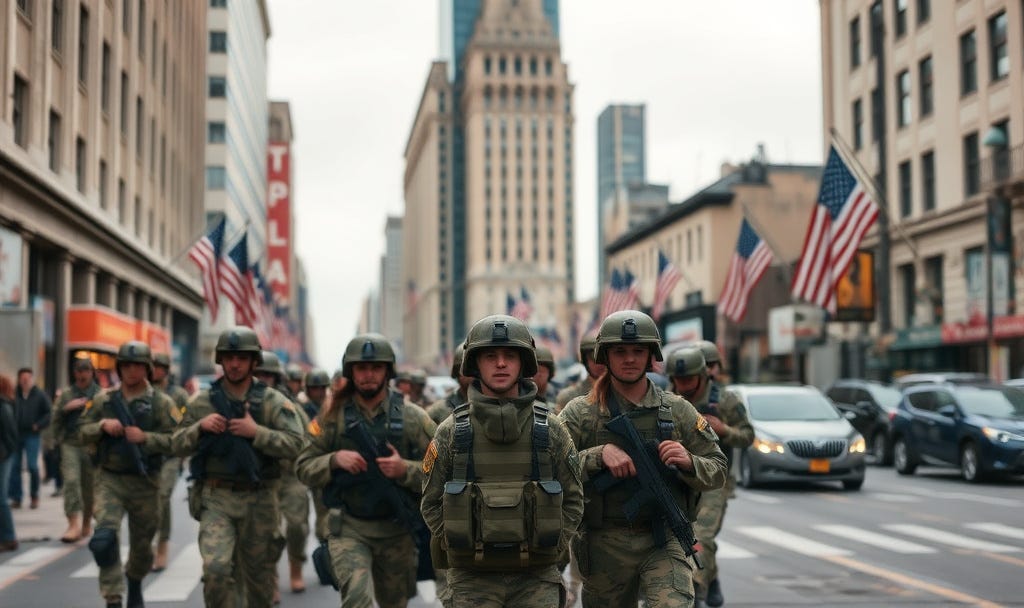
This Fear Is Not Just About Immigration
It is my opinion and analysis that fear will go beyond immigration enforcement.
It is my belief that the fear that has been inflicted will intersect with a much larger anxiety about political participation, civic rights, and whether exercising those rights might carry consequences.
If people are afraid to leave their homes, it is not a stretch to worry that they may also be afraid to show up to vote.
These concerns will be especially acute in communities of color, but will not stop there.
No One Is Immune
Following the death of Renee Good, Ryan Eklund, a well-known real estate agent, was unjustly detained by ICE for several hours before being released.
Seeing Ryan’s account of what he experienced by Ice Agents, is a clear signal that social status, race, or visibility no longer guarantee insulation from aggressive enforcement tactics.
As Minnesota Governor Tim Walz has stated publicly, he views what is happening as
“an organized campaign of brutality by our own federal government.”
That characterization reflects a growing sentiment among elected officials and civil rights groups, even as legal accountability continues to be debated.

Public Pushback Is Already Underway
Despite fear and uncertainty, we the people are responding.
Across the country, Americans are:
Protesting
Supporting neighbors
Monitoring enforcement activity
Speaking out against what they view as constitutional overreach
We’re not even a full week in the 2026 Legislative Session and the Democrats in my Georgia State House have already introduced legislation designed to place reforms on ICE in my state.
On the Federal Level, House Democrats have done the same.
And while this is needed, Democrats are not in the majority.
But alongside this resistance, there is another concern that deserves attention…
Election Anxiety Is Not Speculative
In recent interviews, Donald Trump has openly stated that he regrets not using federal or state power to intervene more aggressively after the 2020 election, which he continues to dispute without evidence.
He has referenced the idea of deploying the National Guard and has raised questions about their capacity to carry out such actions.
That should put your hair on fire.
For many analysts, these comments raise legitimate concerns about how federal power could be used, or misused during the 2026 mid-term election cycle.
Voting Access Is Already Contested Ground
Voting by mail, often cited as a safer alternative, is also under sustained political attack.
Republican-led efforts in multiple states have sought to:
Tighten mail-in ballot rules
Increase rejection thresholds
Add procedural hurdles
Even when ballots are submitted correctly, voters with non-Anglo or unfamiliar names have raised concerns about disproportionate scrutiny, concerns documented by voting rights organizations.
Fear Is a Powerful Tool
Fear suppresses participation.
It discourages people from engaging fully in civic life and creates uncertainty around fundamental rights.
That is why this moment matters.
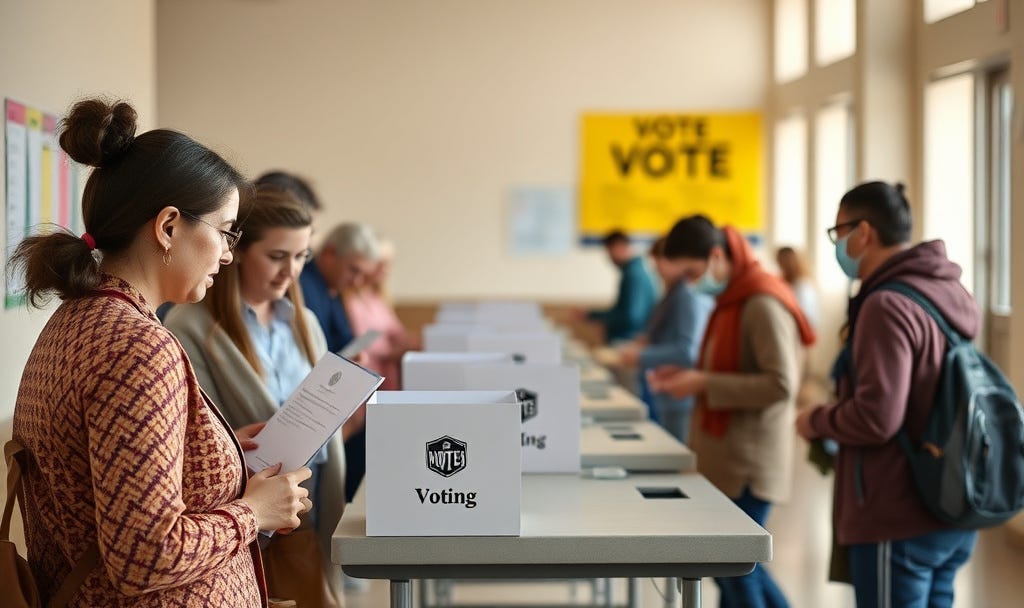
The Only Way Forward
If Americans want to stop the daily barrage of what they see as democratic backsliding, participation is not optional.
When it is time to vote this November, we must…
Show up
Be visible
Exercise our rights lawfully and peacefully
Fear thrives on silence and retreat.
Do not give in to the fear.
Do not comply with intimidation.
VOTE
Because your voice, your vote matters more than ever.
Thanks for reading The Arm Chair Pundit.
These are dark times for the country we love, but disengagement isn’t an option. From our armchairs to the front lines, our voices matter.
If this resonated with you, consider subscribing and sharing. Together is how we move out of the darkness and into the light shining a bright light on democracy and the country we love.
This piece isn’t about fear as an abstract idea. It’s about what happens when people begin to withdraw from public life, from community, and from civic participation.
It is my opinion we need to recognize the danger of intimidation becoming normalized.
Robert Reich just posted this video on his Instagram which is congruent with this post
https://www.instagram.com/reel/DTiZfAuFJBw/?igsh=MWlvYW1xZmpydDlvZg==